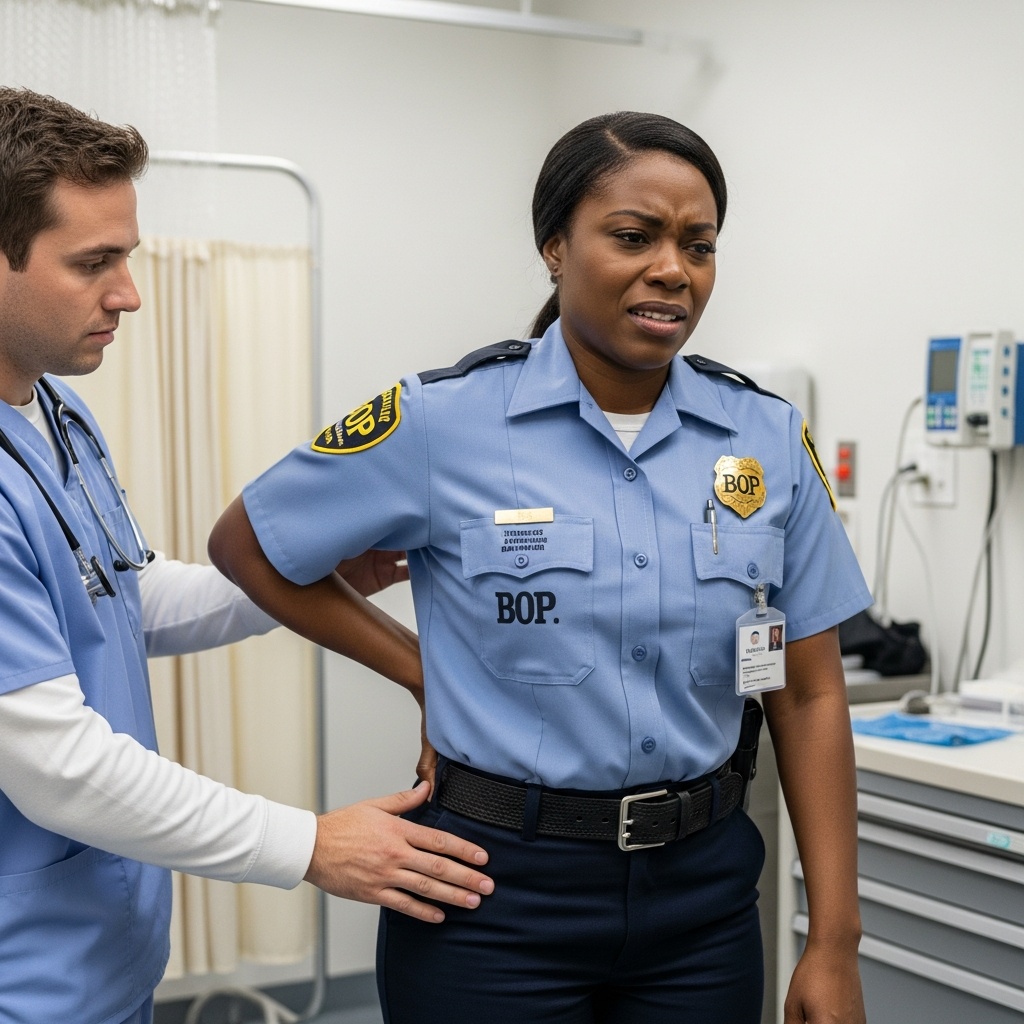
Who qualifies as an OWCP claimant?

You filed the paperwork. You followed every step someone told you to follow. You showed up, you documented, you waited – and then came the letter that said your claim was denied, or questioned, or kicked back for “insufficient qualification documentation.”
If that’s happened to you, you already know that sick, sinking feeling. And if you’re just starting this process, you’re probably trying to figure out how to make sure it *doesn’t* happen to you.
Here’s the thing nobody tells federal workers upfront: the Office of Workers’ Compensation Programs – OWCP, if you’re already on a first-name basis with the agency – isn’t just processing claims. It’s running a qualification system. And understanding who actually qualifies as a claimant? That’s the difference between getting the benefits you’ve earned and spending months (sometimes years) fighting through bureaucratic fog.
This Isn’t Just Paperwork – It’s Your Livelihood
Let’s be honest about what’s actually at stake here. We’re not talking about a minor inconvenience or a box to check. If you’ve been injured on the job as a federal employee, or developed a condition tied to your work, OWCP benefits can mean the difference between keeping your life stable and watching it unravel. Medical coverage. Wage replacement. Vocational rehabilitation. These aren’t perks – they’re survival tools for people who got hurt doing their jobs.
And yet, so many people approach the qualification question the same way they approach assembly instructions. Skim it, assume it applies, and only read carefully when something breaks. The problem is, by the time something breaks in an OWCP claim, you’re already in a much harder position.
The Confusion Is Real (And It’s Not Your Fault)
OWCP actually covers several distinct programs – and this is where a lot of people get tangled up right at the start. There’s coverage under the Federal Employees’ Compensation Act (FECA) for civilian federal workers. There’s the Energy Employees Occupational Illness Compensation Program (EEOICP) for people who worked in the nuclear weapons industry. The Longshore and Harbor Workers’ Compensation Act covers maritime workers. The Black Lung Benefits Program covers coal miners.
Different programs. Different qualification rules. Different documentation requirements. Different timelines.
So when someone says “I’m filing an OWCP claim,” the very next question has to be *which one?* – because the answer shapes everything that follows. Actually, this is probably the single most common source of early confusion, and it’s completely understandable. The federal government has a way of packaging complex systems under one umbrella label and then… not exactly advertising the fine print.
What You’ll Actually Learn Here
This article is going to walk you through the real qualification criteria – not the vague, bureaucratic version, but the practical “does this apply to me?” version that you can actually use. We’re going to look at the employment status requirements that catch people off guard (because yes, not every person who works *for* the federal government automatically qualifies the way you might assume). We’ll talk about what kinds of injuries and illnesses are covered, including occupational diseases that develop slowly over time – the ones that are harder to trace back to a specific moment or incident.
We’ll also get into the filing requirements that affect your eligibility, because there are deadlines involved, and missing them can seriously complicate your claim even if everything else is perfectly in order. And we’ll touch on some of the edge cases – the situations that don’t fit neatly into a checkbox, where the answer is genuinely “it depends.”
A Note Before We Start
If you’re reading this because you’re personally navigating an OWCP claim right now, take a breath. This system is complicated, it can feel adversarial, and the learning curve is steep. That’s not a reflection of your intelligence or your legitimate need for benefits. It’s a reflection of how these programs were built.
The goal here is to give you clarity – real, practical clarity – so you can walk into this process knowing what applies to you and why. Because you deserve to understand a system that has such a direct impact on your health and your financial stability.
So let’s start at the beginning, with the foundational question that everything else rests on: who, exactly, does OWCP recognize as a qualifying claimant?
The Basic Idea Behind OWCP
So here’s the thing – OWCP stands for the Office of Workers’ Compensation Programs, and it’s essentially the federal government’s version of workers’ comp. If you’ve ever dealt with a regular employer’s workers’ compensation system, you might think you already know how this works. And honestly? You’re partly right. The core idea is the same: if you get hurt or sick because of your job, you shouldn’t have to bear that financial burden alone.
But federal workers’ comp operates under its own rules, its own programs, and sometimes its own logic that can feel a little… sideways… compared to what most people expect.
The OWCP sits within the Department of Labor, and it doesn’t run just one program – it actually oversees several distinct programs, each designed for a specific group of workers. Think of it less like a single door and more like a hallway with multiple doors. Which door you knock on depends entirely on *who you are* and *how you got hurt*.
The Four Main Programs (And Why They Matter)
This is where things get a little layered, so bear with me.
The biggest program – the one most federal employees will interact with – is the Federal Employees’ Compensation Act program, or FECA. This covers the broad universe of civilian federal workers. Your postal employees, your park rangers, your federal office workers. If someone works for a federal agency and gets injured on the job, FECA is almost always the relevant framework.
Then there’s the Longshore and Harbor Workers’ Compensation Act program (LHWCA), which covers maritime workers – dock workers, shipbuilders, people whose jobs happen near or on navigable waters. This one surprises people. You don’t have to be a sailor. You just have to work in certain maritime-adjacent roles.
The Black Lung Benefits Act program is exactly what it sounds like – it exists specifically for coal miners who develop pneumoconiosis, the lung disease caused by breathing in coal dust over years of work. This one is deeply specialized, and the eligibility rules reflect that specialization.
And finally, there’s the Energy Employees Occupational Illness Compensation Program Act, or EEOICPA. This covers workers – and in some cases their survivors – who were employed at nuclear weapons facilities and developed certain cancers or illnesses as a result. Think Cold War-era employees at places like Oak Ridge or Hanford. Actually, that program has some of the most complex eligibility rules of all four, partly because proving a connection between radiation exposure and illness decades later is genuinely complicated science.
What “Qualifying” Actually Means
Here’s where people get tripped up – and honestly, it’s understandable. “Qualifying” for OWCP isn’t a single yes-or-no question. It’s more like a checklist where every item matters.
At its most basic, qualifying comes down to three things working together: your employment status, the nature of your injury or illness, and the causal connection between the two. You need to be the right kind of worker, with the right kind of condition, that happened in the right kind of way.
The “right kind of worker” part seems obvious but gets complicated fast. Federal employment isn’t always a clear-cut category. Contractors, volunteers, intermittent workers – these groups often find themselves in gray areas. It’s a bit like asking whether someone who occasionally fills in at your neighbor’s restaurant “works there.” Depends on who you ask and what form they’re filling out.
The causal connection piece is often the hardest. You can’t just develop a bad back and assume it’s covered because you have a federal job. You need to establish that your work – specific tasks, conditions, or exposures – actually caused or significantly aggravated your condition. That’s a meaningful burden, and it’s one that trips up a lot of legitimate claims simply because the paperwork and medical documentation weren’t done carefully.
Why the Confusion Is Understandable
Nobody hands you an OWCP guidebook on your first day of federal employment. Most people only discover these programs exist *after* something goes wrong, which is the worst possible time to be learning the fundamentals. You’re already stressed, possibly in pain, maybe worried about income – and suddenly you’re trying to decode bureaucratic language that was clearly not written with regular humans in mind.
The good news is that once you understand the basic structure – the programs, the eligibility framework, the types of connections that need to exist – the rest starts to make a lot more sense.
You’ve Been Injured – Now What?
Here’s something nobody tells you when you’re sitting in the ER filling out paperwork after a workplace injury: the decisions you make in the first 48 hours matter *enormously* for your OWCP claim. Not next week. Not after you’ve talked to everyone in your department. Now.
The first thing you need to do – and this is non-negotiable – is report the injury to your supervisor in writing. A verbal conversation won’t cut it. Email, written memo, formal report. Something with a timestamp. Even if you feel fine. Even if you think it’s minor. Inflammation from a back injury, for example, often doesn’t hit you until two or three days later, and by then you want your paperwork trail already established.
The Form 20 vs. Form CA-1 vs. Form CA-2 Question
This trips people up constantly. Here’s the quick breakdown
CA-1 is for traumatic injuries – something that happened at a specific moment on a specific day. You slipped. You lifted something wrong. A box fell on you. One incident, one date.
CA-2 is for occupational diseases or conditions that developed over time – repetitive stress injuries, conditions caused by prolonged exposure to something, hearing loss from years of noise. If you can’t point to a single day and say “that’s when it happened,” you’re probably looking at a CA-2.
Filing the wrong form doesn’t automatically sink your claim, but it creates unnecessary complications and delays. And delays in OWCP processing are… not fun. We’re talking weeks, sometimes months.
Who Actually Qualifies – The Details People Miss
Federal civilian employees are the obvious group, but let’s get specific about some categories people overlook. Postal workers are covered – USPS employees have a surprisingly high claim volume, particularly for musculoskeletal injuries. Longshore and harbor workers fall under a separate provision (the Longshore and Harbor Workers’ Compensation Act), so if that’s your situation, you’re not dealing with standard OWCP processing at all.
Volunteers? Mostly no. Contractors? Also generally no, and this is a painful discovery for a lot of people who *feel* like federal employees because they work in federal buildings every day. Your employer is whoever cuts your paycheck – and if it’s a private company with a federal contract, you’re looking at private workers’ comp, not OWCP.
One thing that genuinely surprises people: part-time and temporary federal employees qualify. There’s a misconception that you need to be full-time, career-track, benefits-eligible to file. You don’t. If you’re a seasonal park service worker who gets hurt on the job, you have the same right to file as a 20-year GS-13.
Protecting Your Claim Before You Even File
Get a copy of every single thing you sign. Every witness statement, every incident report, every form your supervisor fills out. You’re entitled to copies and you should ask for them immediately – not later, immediately. Memories fade, paperwork gets “lost,” and you want your own records.
If there were witnesses, note their names now. Actually, write them down. Don’t rely on memory when you’re also managing pain and stress and a hundred other things.
Here’s something the forms don’t make obvious: you can choose your own treating physician, but there are rules about when and how. In the first instance of treatment, you can go to any qualified physician. After that, changing doctors requires OWCP authorization. Knowing this upfront prevents the headache of having a new doctor’s bills rejected because you didn’t follow the right process.
When Your Claim Gets Complicated
If you have a pre-existing condition – say, a bad knee from a college injury that got significantly worse because of your job – don’t assume that disqualifies you. The “aggravation of a pre-existing condition” is absolutely compensable under OWCP. You just need medical documentation clearly establishing that your work duties materially contributed to the worsening. That phrase – *materially contributed* – is worth remembering.
Denied claims aren’t the end either. The reconsideration and appeals process exists for a reason, and a surprising number of initially denied claims do get overturned when the claimant submits additional medical evidence or a well-organized statement. The first “no” is often just the beginning of the conversation.
And if your injury has affected your weight, your mobility, your ability to stay active during recovery? Those are legitimate medical concerns worth discussing with your treatment team – because they affect your overall recovery outcomes, not just the injury itself.
When the Paperwork Feels Like a Second Job
Let’s be honest – filing an OWCP claim is not a simple process. The paperwork alone can feel overwhelming, especially when you’re already dealing with pain, medical appointments, and the stress of missing work. The forms are dense, the language is bureaucratic, and one small mistake can delay everything by weeks. Or longer.
The most common stumbling block? Incomplete or inconsistent documentation. The OWCP needs a clear, unbroken chain connecting your injury to your federal employment – and any gap in that chain gives them a reason to deny or delay. We’re talking about things like a medical report that describes your injury slightly differently than your initial claim form, or a doctor who forgets to specifically link your condition to your workplace duties. It seems minor. It isn’t.
The fix here is genuinely worth the effort: before you submit anything, read every document carefully and make sure the language is consistent. Your injury description on Form CA-1 should match what your doctor writes. If there’s a discrepancy, talk to your physician before submitting – most doctors will work with you on this, especially if you explain why precision matters.
The “Did This Really Happen at Work?” Question
Proving that your injury is work-related sounds straightforward… until it isn’t. Gradual-onset conditions – things like carpal tunnel from years of repetitive motion, or hearing loss from chronic noise exposure – are notoriously difficult to document. There’s no single moment you can point to. No date. No incident report.
This trips up a lot of people who absolutely have legitimate claims. They assume that because they can’t name a specific event, they don’t qualify. That’s not true. Occupational disease claims exist precisely for this situation. But they do require more evidence – your medical history, job duty descriptions, and a physician who understands how to document cumulative trauma.
If you’re dealing with this kind of claim, start building your evidence now. Document your job duties in detail. Get a physician who specializes in occupational medicine if you can – they speak this language fluently. And keep notes. Even a personal journal tracking your symptoms and how your work aggravates them can become meaningful supporting documentation.
The Deadline Problem Nobody Talks About Enough
There’s a clock running from the moment you’re injured – and a lot of people don’t realize it until it’s almost too late. For traumatic injuries, you’re supposed to file within three years. For occupational disease, it’s two years from when you knew (or reasonably should have known) that your condition was work-related.
Sounds manageable. But here’s what actually happens: people assume their supervisor filed something. Or they were focused on getting treatment. Or they genuinely didn’t know their condition qualified. By the time someone sits down to actually file, months have passed.
The practical solution? File as soon as possible, even if you don’t have everything perfectly lined up yet. A timely, imperfect claim is almost always better than a late, perfect one. You can supplement documentation afterward.
When Your Employer Pushes Back
This one’s uncomfortable to talk about, but it happens. Sometimes a supervisor disputes how an injury occurred. Sometimes an agency’s safety officer suggests the injury wasn’t serious – or even implies it didn’t happen the way you described. Federal employees sometimes feel pressure, subtle or not, to downplay their claims.
Here’s the thing: you have independent rights in this process. Your employer doesn’t approve or deny your claim – the OWCP does. Your supervisor’s opinion, while it’s included in the process, is not the final word. If your account of events is being questioned, get witness statements from coworkers while memories are still fresh. Document everything in writing. And if the pushback feels significant, consulting with a workers’ compensation attorney who handles federal claims is absolutely worth considering.
Navigating the Medical Evidence Maze
The OWCP can – and often does – request an independent medical examination if they question your physician’s findings. This feels frustrating. It can feel like you’re being accused of something. And honestly, that’s an understandable reaction.
The best counterweight to this is a strong, well-documented relationship with your own treating physician. Make sure every appointment generates clear written records. Ask your doctor to specifically address work-relatedness in their notes – not just your symptoms, but the connection. Vague medical records leave room for interpretation you don’t want.
This process is genuinely hard. But it’s navigable – especially when you know where the landmines actually are.
What to Actually Expect After You File
Let’s be honest with you here – because nobody does you any favors by painting a rosy picture that doesn’t match reality. The OWCP process is slow. Sometimes frustratingly slow. And if you walk in expecting a quick resolution, you’re going to be disappointed in ways that make an already stressful situation feel even harder.
Most claims take weeks to months to receive an initial decision, not days. Complex cases – those involving disputed injuries, pre-existing conditions, or questions about whether your work duties actually caused your condition – can stretch well beyond that. Some claimants wait a year or more for full resolution. That’s not us trying to scare you. That’s just the honest truth about a federal bureaucratic process that handles an enormous volume of cases.
The Timeline Nobody Warns You About
Here’s a rough sketch of how things typically unfold, though your experience may vary quite a bit depending on your agency, the nature of your injury, and how complete your initial filing was.
After submission, OWCP will acknowledge your claim and assign a case number – that part usually happens relatively quickly. Then comes the waiting. A claims examiner reviews your documentation, may request additional medical evidence, and might reach out to your employer for their account of the incident. This back-and-forth phase is where most of the time gets spent.
If your claim is approved, you’ll receive formal notification and your medical treatment coverage begins. If it’s denied – and denials do happen, even to legitimate claimants – you have the right to appeal. That appeals process adds another layer of time onto an already lengthy process.
The short version? Don’t make major financial decisions based on an expected timeline. If you’re counting on quick compensation to cover immediate expenses, talk to someone about bridge options in the meantime.
Your Job During the Waiting Period
This is actually important, and people underestimate it. While OWCP reviews your claim, you’re not just sitting there passively. There’s real work to do.
Keep seeing your doctor. Gaps in medical treatment are one of the most common reasons claims get complicated or denied – it looks like your condition improved or that treatment wasn’t truly necessary. Document everything. Every appointment, every symptom, every limitation your injury creates in your daily life. That might feel like overkill right now, but months down the road when someone questions the severity of your condition, you’ll be grateful you kept records.
Stay in communication with your employing agency, too. Your supervisor or agency’s workers’ compensation coordinator can sometimes help move things along – or at least keep you informed. The relationship with your employer doesn’t have to be adversarial, even if it feels that way sometimes.
When Something Feels Wrong
If you’ve been waiting and nothing seems to be happening, it’s okay to follow up. Actually, it’s more than okay – it’s smart. Claimants who stay engaged with their cases tend to have better outcomes than those who file and wait in silence.
That said, there’s a difference between appropriate follow-up and calling every other day in frustration. A reasonable check-in every few weeks is fine. If you genuinely believe your claim has been mishandled, lost, or that a decision was made in error, there are formal channels for that – including requesting reconsideration or filing an appeal through the Employees’ Compensation Appeals Board.
What “Qualifying” Really Means Long-Term
Getting approved as an OWCP claimant isn’t a one-time event. It’s more like… an ongoing relationship with the program. You may be asked to submit periodic medical updates. Your case can be reviewed. If your condition changes – improves significantly or worsens – that matters to OWCP and should be reported accurately.
Some people are on OWCP for months. Others, particularly those with permanent or chronic conditions, navigate the program for years. Understanding that this is a long-term process, not a quick fix, helps you approach it with the right mindset.
The most useful thing you can do right now? Get good information specific to your situation – from your HR office, a union representative if you have one, or a legal professional familiar with federal workers’ compensation. General guidance like this is a starting point, but your case has details that matter. Don’t try to navigate this entirely alone.
There’s something worth saying here, before we wrap up – navigating a federal workers’ compensation claim can feel genuinely overwhelming. And honestly? That feeling makes complete sense. You’re dealing with a health issue, possibly time away from work, paperwork that seems designed to confuse, and the very real worry about whether you’ll “count” as someone the system is supposed to protect.
But here’s what we want you to hold onto: the OWCP program exists specifically because you matter. Federal employment comes with real risks – physical, psychological, and everything in between – and the people who built this system understood that workers deserve a safety net when things go wrong on the job.
You Don’t Have to Have All the Answers Right Now
One of the biggest misconceptions we hear is that people assume they already know they don’t qualify – before they’ve talked to anyone, before they’ve looked closely at their situation. They think, “Oh, it probably won’t apply to me” and they just… don’t pursue it. And sometimes they’re right. But sometimes they’re leaving real support on the table because the eligibility rules are more nuanced than most people realize.
That repetitive strain you’ve been quietly managing for years? It might qualify. The anxiety that developed after a traumatic incident at work? That could absolutely be covered. The occupational exposure that didn’t show up as a diagnosis until after you’d moved on to a different role? Worth looking at. These situations aren’t clear-cut, and they’re not supposed to be navigated alone.
Your Health Is Still the Priority
Whatever happens with a claim, we want to be clear about something – your actual wellbeing comes first. The administrative side of things matters, but it can’t come at the expense of getting the care you need right now. Sometimes people get so caught up in the question of “do I qualify?” that they delay treatment, delay support, delay taking care of themselves.
Don’t do that. Please.
Get the care. Then figure out the paperwork. Actually, doing both at the same time – with the right guidance – is even better.
We’re Here When You’re Ready
If you’ve been reading through all of this and thinking “okay, but I genuinely don’t know where I stand” – that’s exactly the kind of uncertainty we can help you work through. You don’t need to come to us with a perfectly organized file or a clear-cut case. Most people don’t have that. What you need is just a willingness to talk through your situation and see what’s actually possible.
Our team works with federal employees and their families regularly, and we understand both the medical and the logistical sides of what you’re facing. We’re not here to make promises we can’t keep – but we are here to listen, to look at your situation honestly, and to help you understand your options without pressure or confusion.
Reach out when you’re ready. It might be today, it might be after you’ve thought on this a little more – either way, we’ll be here. A quick conversation costs you nothing, and it might open a door you didn’t know was available to you.
You’ve worked hard. You deserve support that actually shows up for you.