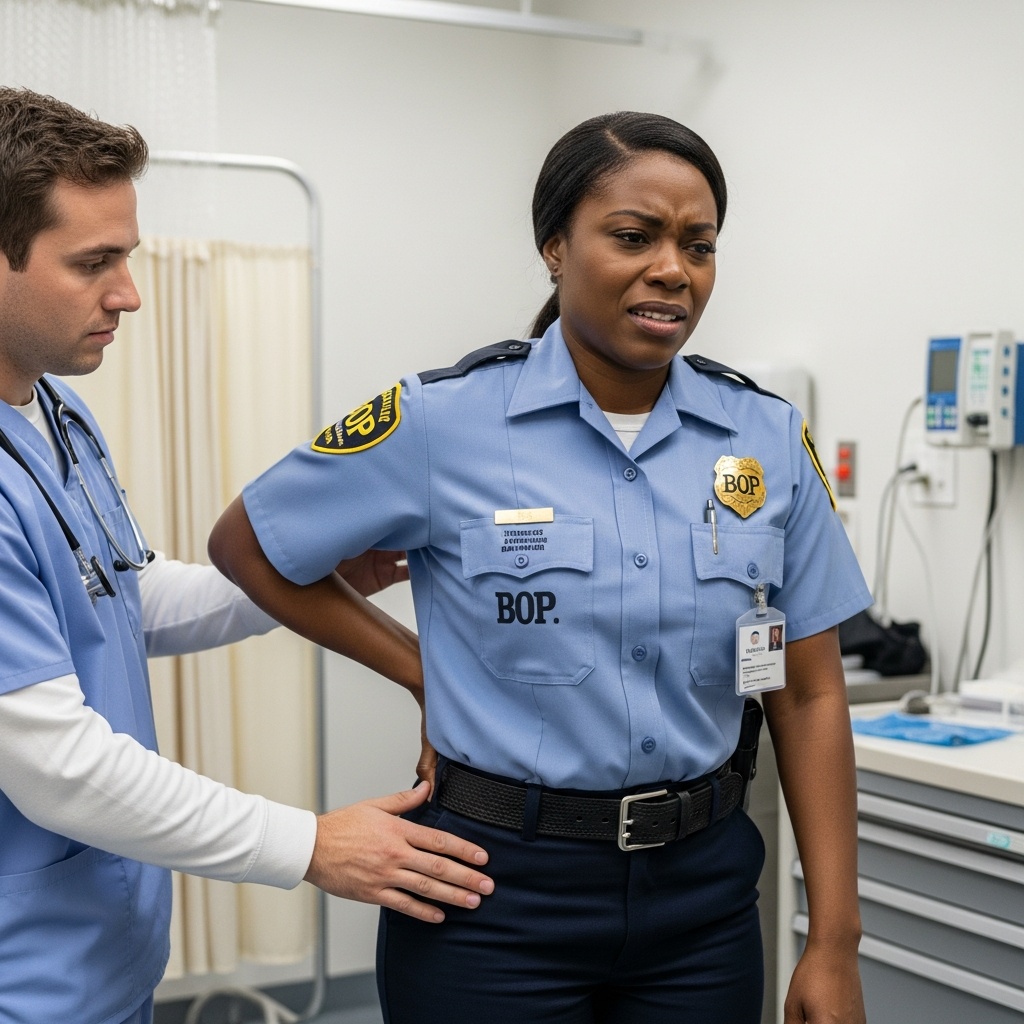
6 Ways to Strengthen Your OWCP Claim With Proper Medical Evidence

You’re sitting in yet another doctor’s office, watching the clock tick past your appointment time while your shoulder throbs – the same shoulder you injured lifting that heavy file box at work three months ago. The receptionist finally calls your name, and twenty minutes later, you’re walking out with a prescription for more pain medication and a vague promise to “see how it goes.”
Sound familiar?
Here’s what nobody tells you about workplace injuries: the moment you get hurt on the job, you’re not just dealing with physical pain anymore. You’ve entered a bureaucratic maze where your ability to get proper treatment – and compensation – depends almost entirely on pieces of paper. Medical records, diagnostic reports, doctor’s notes… it’s like your injury doesn’t exist unless it’s documented in exactly the right way.
I’ve watched too many hardworking people get their OWCP claims denied or delayed simply because they didn’t know how the system really works. Take Maria, a postal worker who hurt her back lifting packages. Her family doctor said she needed physical therapy, but the claim examiner rejected it because the documentation didn’t clearly link her symptoms to the workplace incident. Six months later – six months of unnecessary pain – she finally got approved, but only after learning how to work *with* the system instead of against it.
The truth is, filing an OWCP claim isn’t like dealing with your regular health insurance. The Office of Workers’ Compensation Programs operates under federal guidelines that can feel… well, a bit rigid. They need specific types of evidence, presented in particular ways, from doctors who understand workers’ compensation requirements. Miss one piece of this puzzle, and your claim might sit in limbo while you’re struggling to pay medical bills or wondering if you’ll ever get back to full strength.
But here’s the thing – and this is important – you have way more control over this process than you might think. You’re not at the mercy of some faceless government agency. When you understand what kind of medical evidence actually strengthens your case, you can be strategic about how you approach your treatment and documentation from day one.
Most people approach OWCP claims reactively. Something goes wrong with their claim, so they scramble to fix it. They get a denial letter and suddenly they’re trying to gather records from six different doctors, hoping something will stick. That’s exhausting… and honestly, it’s not the most effective approach.
What if instead, you could be proactive? What if you knew exactly what kind of medical evidence would make your claim rock-solid from the start?
That’s exactly what we’re going to talk about. Not the bureaucratic runaround or legal jargon that makes your eyes glaze over, but practical strategies you can actually use. Because here’s what I’ve learned after years of helping people navigate this process: the difference between a strong OWCP claim and a weak one often comes down to six key areas of medical evidence.
We’re talking about understanding what makes a medical report compelling to a claims examiner (hint: it’s not what you might think). How to ensure your doctors are documenting your condition in ways that actually support your case. Why timing matters so much when it comes to seeking treatment. And yes, we’ll cover what to do if you’re dealing with one of those tricky situations – like when your symptoms don’t show up immediately, or when you’re dealing with a pre-existing condition that’s been aggravated by work.
Look, I’m not going to sugarcoat this – dealing with OWCP can be frustrating. The process moves slowly, the requirements can seem arbitrary, and sometimes it feels like you’re speaking a completely different language than the people making decisions about your claim. But armed with the right knowledge about medical evidence, you can significantly improve your odds of getting the coverage and treatment you deserve.
Because at the end of the day, this isn’t just about paperwork or bureaucracy. It’s about your health, your financial security, and your ability to get back to the life you had before that workplace injury turned everything upside down.
So let’s dive into these six strategies that can make all the difference in your OWCP claim…
What Makes Medical Evidence Actually “Evidence”
Look, I’ll be honest – navigating OWCP claims can feel like trying to solve a puzzle when half the pieces are missing and the box doesn’t have a picture on it. You’re dealing with an injury that’s real, painful, and affecting your daily life… but somehow you need to “prove” it exists to people who’ve never met you.
The thing is, OWCP doesn’t operate on trust or good faith. They operate on documentation. It’s not personal – it’s just how the system works. Think of it like this: if you were buying a used car, you wouldn’t just take the seller’s word that the engine runs great. You’d want to see maintenance records, maybe get a mechanic to take a look, check the mileage. OWCP approaches your claim the same way.
The Foundation: Establishing Medical Facts
Here’s where it gets a bit counterintuitive. You might think that having *any* medical documentation is enough – after all, you went to the doctor, they wrote stuff down, case closed, right? Not quite.
OWCP distinguishes between medical *opinions* and medical *facts*. A fact might be “Patient reports lower back pain” or “X-ray shows herniated disc at L4-L5.” An opinion would be “Patient’s back pain is likely related to workplace incident.” See the difference? One describes what is, the other interprets what it means.
You need both, but they serve different purposes in your claim. The facts establish that something is wrong with you (which, let’s face it, you already knew). The opinions connect those facts to your workplace injury.
The Chain of Causation – Why Timing Matters
This is probably the trickiest part of the whole process, and honestly, it trips up a lot of people who should know better. OWCP needs to see an unbroken chain from your workplace incident to your current condition. It’s like… imagine you’re baking a cake, and each medical appointment is an ingredient. If you skip the eggs and try to add them later, your cake isn’t going to turn out right.
The clock starts ticking the moment your injury happens. If you wait six months to see a doctor because “it’ll probably get better on its own” (we’ve all been there), that gap becomes a question mark in your file. Did the injury cause your current pain, or did something else happen during those six months?
This doesn’t mean you need to rush to the emergency room for every workplace bump and bruise. But documenting the progression – or lack of improvement – creates that crucial timeline OWCP is looking for.
Understanding Medical Terminology vs. Plain English
Here’s something that catches a lot of people off guard: doctors and OWCP speak slightly different languages, even though they’re both talking about medicine. Your doctor might write “patient presents with nonspecific lower back pain” when what they mean is “their back hurts and we’re not sure exactly why yet.”
But OWCP reads “nonspecific” and thinks “unrelated to work.” It’s not that your doctor is wrong – they’re just being medically precise in a way that doesn’t always translate well to the claims process.
The Reality of Medical Uncertainty
Let me tell you something that might surprise you: even good doctors don’t always know everything immediately. Medicine isn’t like a broken toaster where you can definitely point to the burnt wire and say “there’s your problem.” Bodies are complicated, injuries develop over time, and sometimes symptoms show up weeks or months after the initial incident.
The challenge is that OWCP needs definitive answers, but medicine often deals in probabilities and possibilities. A doctor might be 80% confident that your carpal tunnel is work-related, but they’ll hedge their language because that’s good medicine. Unfortunately, hedged language can weaken your claim.
Building Your Documentation Strategy
Think of your medical evidence as telling a story – your story. Every doctor’s visit, every test result, every treatment note is a chapter. The story needs to make sense from beginning to end, and it needs to clearly show how your workplace injury led to your current condition.
That means being strategic about not just *when* you seek medical care, but *how* you communicate with your healthcare providers about your work-related symptoms. You’re not manipulating the system – you’re making sure the medical record accurately reflects what actually happened to you.
Document Everything (And I Mean Everything)
Look, I get it – when you’re dealing with a work injury, the last thing you want to do is become a paperwork wizard. But here’s the thing… the OWCP doesn’t just want to know you’re hurt. They want proof. Mountains of it.
Start keeping a pain journal – and not just “hurt today, 7/10.” Get specific. “Sharp stabbing pain in lower back when lifting patient files, lasted 45 minutes, took two ibuprofen at 2 PM.” Include how your symptoms affect daily activities. Can’t tie your shoes? Write it down. Struggling to sleep because of shoulder pain? Document it. These details paint a picture that generic medical records simply can’t capture.
Take photos if there’s visible swelling, bruising, or changes in mobility. Date stamp everything. Actually, here’s something most people don’t think about – ask a trusted friend or family member to take notes during your bad days. Sometimes when we’re in pain, we’re not the most reliable historians of our own experience.
Choose Your Medical Team Strategically
Not all doctors understand the OWCP system, and honestly? Some are terrible at documentation. You need physicians who get it – who understand that their notes can make or break your claim.
Before your first appointment, call the office and ask if the doctor has experience with federal workers’ compensation cases. If they seem confused by the question… that’s your red flag right there. You want someone who knows the difference between treating a patient and building a bulletproof medical case.
When you find the right doctor, don’t just show up and hope for the best. Come prepared with a written summary of how your injury occurred, your current symptoms, and how they’re impacting your work and daily life. Most doctors are rushing between patients – give them the roadmap they need to document your case properly.
Master the Art of Medical Appointments
This might sound obvious, but you’d be surprised how many people sabotage their own claims by downplaying symptoms during medical visits. Don’t be a hero in the doctor’s office. If you’re having a good day when you go in for your appointment, make sure to explain that this isn’t typical.
Here’s a trick I learned from someone who’d been through this process twice – bring a trusted advocate with you to important appointments. They can take notes, ask questions you might forget, and most importantly, they can speak up if you’re minimizing your pain (which, let’s face it, many of us do unconsciously).
Ask your doctor to be specific in their reports. Instead of “patient reports pain,” push for “patient reports 8/10 sharp, stabbing pain in lumbar region that radiates down left leg, preventing prolonged standing or walking more than 50 feet.” The more detailed and specific, the better.
Time Your Medical Care Perfectly
The OWCP loves to deny claims based on gaps in medical treatment. Don’t give them that ammunition. If your doctor says “come back in six weeks,” don’t wait eight weeks because you’re feeling a bit better. That gap can be twisted into “patient must not have been in significant pain if they delayed treatment.”
But here’s where it gets tricky – you also don’t want to look like you’re doctor shopping or seeking unnecessary treatment. It’s a delicate balance. Keep a consistent treatment schedule with your primary treating physician, and only seek additional opinions when there’s a clear medical reason (like lack of improvement or new symptoms developing).
Get Independent Medical Evaluations Right
If the OWCP orders an Independent Medical Examination (and they probably will), don’t panic – but definitely prepare. These doctors aren’t your advocates. They’re doing a job for the OWCP, and their findings carry enormous weight.
Bring multiple copies of all your medical records, organized chronologically. Dress appropriately but don’t overdo it – you want to look like someone who takes the process seriously, not someone putting on a show. Be honest about your limitations, but again, don’t downplay your symptoms.
Here’s something crucial – if the IME doctor asks you to do something that causes significant pain, don’t be a hero. Stop and explain exactly what you’re experiencing. Their job is to observe your limitations, not push you through them.
Build Relationships With Your Medical Providers
This isn’t just about getting good care – it’s about having advocates who understand your case inside and out. When your doctor genuinely knows your situation, their documentation becomes more detailed, more passionate, more convincing.
Send thank-you notes after particularly thorough appointments. Ask thoughtful questions about your treatment plan. Show that you’re an engaged, responsible patient who takes their recovery seriously. When it comes time for your doctor to write reports or testify on your behalf, you want them to genuinely care about your outcome.
When Documentation Goes Missing (And It Always Does)
You know what’s maddening? Spending months gathering medical records, organizing everything perfectly in a binder – you’re probably proud of that thing – only to have OWCP come back saying they need “additional documentation.” It’s like they didn’t even look at what you sent.
Here’s the brutal truth: medical records have a talent for vanishing into thin air. Your doctor’s office swears they faxed everything over… but somehow only page three of seven made it through. Or that crucial MRI report from six months ago? The imaging center “can’t locate it” because they switched computer systems.
The solution isn’t just keeping copies – though definitely do that. It’s becoming your own medical detective. Every time you have an appointment, test, or procedure, ask for a copy right then and there. Don’t wait. Don’t trust that someone will remember to mail it to you later. And here’s a tip most people miss: ask for both the report AND the actual images or test results. Sometimes the radiologist’s summary is vague, but the actual measurements tell a clearer story.
The Chronic Pain Documentation Nightmare
If you’re dealing with chronic pain, you’ve probably hit this wall hard. How do you prove something that doesn’t show up on an X-ray? You can’t exactly photograph your back spasms or measure your migraine intensity with a ruler.
OWCP tends to be skeptical of subjective complaints – and honestly, I get why that’s frustrating when you’re living with real, debilitating pain every day. But here’s what works: consistency and specificity. Don’t just tell your doctor “everything hurts.” That’s not helpful to anyone, including you.
Instead, track your pain like you’re conducting a science experiment. What specific activities make it worse? How long does a flare-up last? What does it feel like – burning, stabbing, aching? Use a pain scale consistently (and actually understand what the numbers mean – a 7 isn’t just “pretty bad”).
Your doctor needs this information to write compelling notes that paint a clear picture. “Patient reports 7/10 burning pain in lower back, worse with sitting longer than 20 minutes, interferes with concentration at work” is infinitely more powerful than “patient complains of back pain.”
When Your Doctor Writes Like They’re Texting
We need to talk about doctor handwriting and documentation habits. Some physicians treat their notes like grocery lists – brief, cryptic, barely legible. This kills OWCP claims faster than almost anything else.
If your doctor consistently writes things like “pt doing ok” or “continue current treatment,” you need to have a conversation. Actually, let me rephrase that – you need to have several conversations, because this probably won’t change overnight.
Before your appointments, write down specific examples of how your condition affects your work and daily life. Bring this list with you. Don’t assume your doctor remembers everything from last time or that they’ll intuitively understand the connection between your symptoms and your job requirements.
Ask your doctor directly: “Can you note in my chart that the nerve pain in my wrist prevents me from typing for more than ten minutes at a time?” Sometimes they just need a gentle reminder about what information is actually useful for your case.
The Specialist Referral Runaround
Getting referred to the right specialist can feel like trying to solve a puzzle while blindfolded. Your primary care doctor refers you to an orthopedist, who sends you to a neurologist, who suggests physical therapy… and somehow, six months later, you’re still in pain and no closer to answers.
OWCP doesn’t have infinite patience for this kind of medical pingpong. They want to see progress toward diagnosis and treatment, not endless consultations that lead nowhere.
Be proactive about this process. When you see a specialist, ask specific questions: What exactly are you looking for? What tests will help rule things in or out? If this treatment doesn’t work, what’s the next step?
And here’s something most people don’t realize – you can request that specialists communicate directly with each other. Don’t assume they’re comparing notes just because they’re all doctors. Ask your neurologist to send their findings to your orthopedist. Request that your physical therapist update your primary care physician on your progress.
When Time Becomes Your Enemy
OWCP claims have deadlines that seem designed to trip you up. You’ve got 30 days for this, 60 days for that… and if you miss one? Good luck explaining that to a claims examiner who’s already skeptical.
Set up a simple tracking system – even just a calendar with alerts on your phone. But more importantly, don’t wait until the last minute to gather evidence. Start collecting documentation as soon as you realize you might have a claim, even if you’re not ready to file yet.
Setting Realistic Timelines (Spoiler: It’s Not Quick)
Here’s the thing nobody wants to tell you – OWCP claims move at the speed of government bureaucracy, which is… well, imagine a sloth wearing cement shoes. We’re talking months, not weeks. Sometimes longer.
A straightforward claim with solid medical evidence might take 3-6 months to process. But if there are complications – missing records, requests for additional documentation, or the need for an independent medical exam – you could be looking at 8-12 months or more. I’ve seen cases drag on for years when the medical evidence wasn’t initially clear-cut.
The waiting is brutal, especially when you’re dealing with pain and financial stress. But understanding this timeline upfront helps you plan… and keeps you from calling OWCP every other day (which, trust me, won’t speed things up).
What Happens After You Submit Your Claim
Once your claim lands on someone’s desk at OWCP, it goes through several review stages. First, they’ll check that all required forms are complete – this is where many claims hit their first snag. Missing signatures, incomplete medical histories, or vague injury descriptions can trigger requests for more information.
Next comes the medical review. This is where all that careful documentation we’ve been talking about really matters. The claims examiner will review your medical records, looking for that clear connection between your work duties and your injury. If your doctor wrote detailed notes about how your repetitive computer work caused your carpal tunnel – fantastic. If they just scribbled “wrist pain” with no context… well, expect some back-and-forth.
Sometimes OWCP will request what’s called a “second opinion” exam with one of their approved doctors. Don’t panic if this happens – it’s actually pretty common, especially for complex cases. Think of it as a double-check rather than a challenge to your claim.
Managing Your Expectations (The Good and the Challenging)
Let’s be realistic about outcomes. A well-documented claim with clear medical evidence has excellent chances of approval. But “well-documented” is doing some heavy lifting there – it means every element we’ve discussed is present and accounted for.
What you can reasonably expect with strong medical evidence
– Coverage for your medical treatments related to the work injury – Compensation for time lost from work (though there’s usually a waiting period) – Vocational rehabilitation if you can’t return to your previous job
What might be more challenging
– Getting coverage for pre-existing conditions that were aggravated by work (these require extra careful documentation) – Claims for stress-related conditions or cumulative injuries (they’re valid, but need more extensive proof) – Retroactive coverage if you waited months or years to file
Your Action Plan Moving Forward
First things first – don’t sit on this. The sooner you start gathering that medical evidence, the stronger your position becomes. Schedule that appointment with your doctor specifically to discuss the work connection to your injury. Be detailed about your job duties and when symptoms started.
Keep a simple journal of your symptoms and how they affect your daily work. Nothing fancy – just dates, symptoms, and impact. “March 15th – wrist pain severe during typing, had to take breaks every 20 minutes.” This contemporaneous documentation can be gold later.
Stay organized with a simple filing system. Physical folder, digital folder, whatever works for you. Keep copies of everything – and I mean everything. Medical records, correspondence with OWCP, even notes from phone calls with claim representatives.
When to Seek Additional Help
You don’t necessarily need an attorney right from the start, but there are some red flags that suggest it’s time to get professional help. If your initial claim is denied despite what seems like solid medical evidence… if OWCP is requesting multiple independent medical exams… if you’re feeling overwhelmed by the paperwork and requirements – these are all valid reasons to consult with someone who specializes in federal workers’ compensation.
Many attorneys who handle OWCP cases offer free initial consultations. They can review your medical evidence and give you a realistic assessment of your claim’s strength. Sometimes just knowing you’re on the right track is worth that conversation.
The Bottom Line on Moving Forward
Building a strong OWCP claim with proper medical evidence isn’t about gaming the system – it’s about clearly documenting a legitimate work-related injury or illness. The process requires patience, organization, and attention to detail. But when you’re dealing with lost wages and mounting medical bills, taking the time to do it right from the beginning can save you months of frustration down the road.
Remember, you’re not asking for a favor – you’re claiming benefits you’ve earned through your federal service. Approach it with that confidence, backed by solid medical documentation.
You’ve Got This – And You Don’t Have to Go It Alone
Look, dealing with OWCP claims while managing a work injury isn’t exactly what anyone dreams about when they’re kids. It’s paperwork, deadlines, medical appointments, and – let’s be honest – more than a few moments of wondering if you’re doing everything right.
But here’s what I want you to remember: you’re not asking for a handout. You got hurt doing your job, and you deserve proper medical care and support while you heal. That’s not charity – that’s what the system is designed for.
The medical evidence piece? It really is your strongest ally in this whole process. Think of it like building a case for yourself, but instead of being in a courtroom, you’re simply telling your story through doctor’s notes, test results, and treatment records. Every piece of documentation is like adding another brick to a foundation that supports your claim.
I know it can feel overwhelming – especially when you’re dealing with pain, recovery, and probably some financial stress too. Maybe you’ve been putting off that follow-up appointment because you’re tired of explaining your symptoms again. Or perhaps you’ve been hesitant to ask your doctor for specific documentation because you don’t want to seem pushy. Trust me, these feelings are completely normal.
But your healthcare providers? They want to help you. They understand that proper documentation isn’t just about paperwork – it’s about ensuring you get the care and compensation you need to actually get better. Don’t be afraid to advocate for yourself. Ask questions. Request copies of your records. Make sure your symptoms are clearly documented, even the ones that might seem minor.
Remember too that healing isn’t always linear. Some days might be worse than others, and that’s okay – just make sure those fluctuations are noted in your medical records. Your doctors need to see the full picture of how your injury affects your daily life, not just how you feel during a 15-minute appointment.
The appeals process exists for a reason, and having solid medical evidence makes all the difference between a claim that gets approved smoothly and one that gets caught up in bureaucratic limbo for months.
Getting the Support You Need
If you’re feeling lost in all of this – or if you’re wondering whether your current medical documentation is strong enough – you don’t have to figure it out alone. Our team has helped countless federal employees navigate exactly these challenges, and we’d be happy to take a look at your situation.
Sometimes it helps just to talk through your concerns with someone who understands both the medical and administrative sides of workers’ compensation. We can help you identify any gaps in your documentation, suggest questions to ask your doctors, or simply give you peace of mind that you’re on the right track.
Give us a call when you’re ready. No pressure, no sales pitch – just real support from people who genuinely want to see you get back to full health and financial stability. Because that’s what this is all about: getting you the care you need so you can focus on what really matters… getting better.