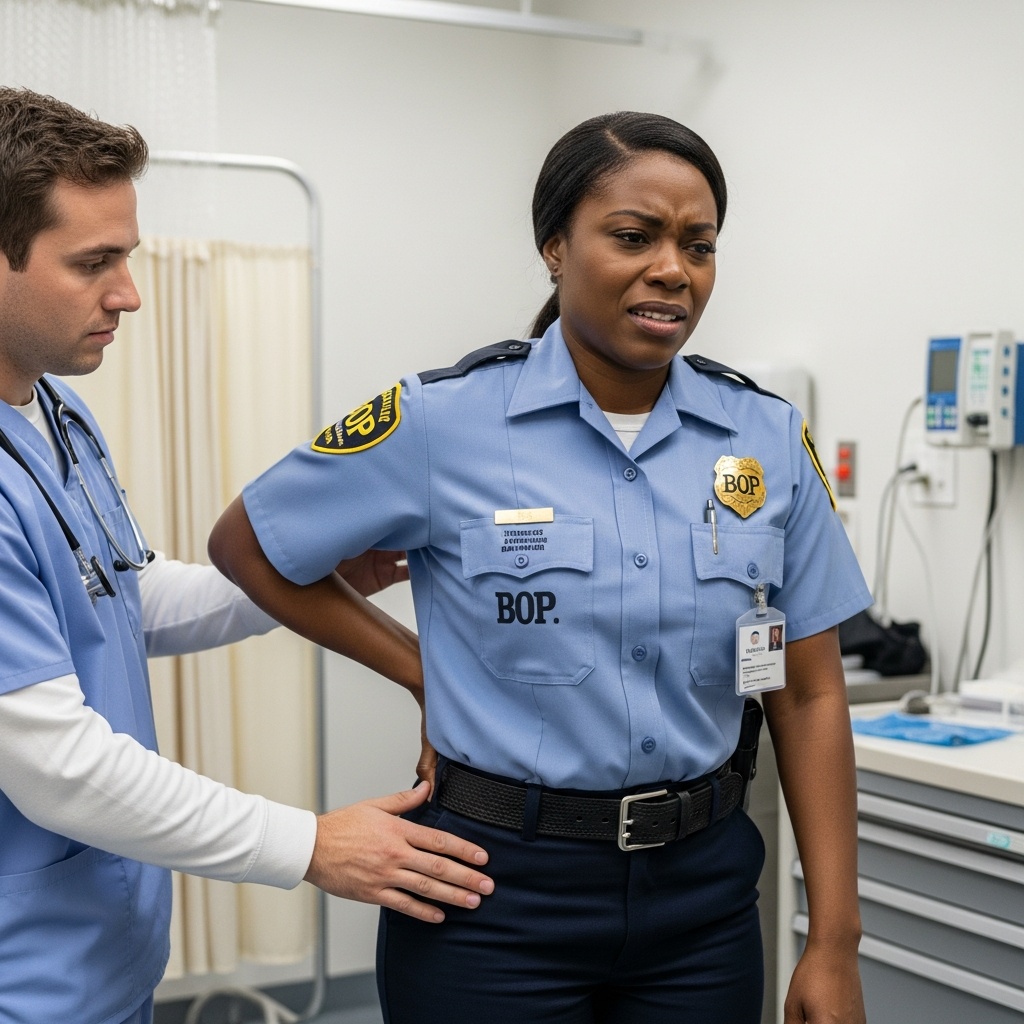
Federal Workers’ Compensation Coverage: What Injuries and Conditions Qualify?

Picture this: You’re rushing to make it to the morning staff meeting when your heel catches on that slightly raised carpet edge in the hallway – you know, the one everyone’s been complaining about for months. Down you go, coffee flying everywhere, and suddenly you’re sitting on the floor with a throbbing ankle and a bruised ego. Your first thought? “Great, now I look ridiculous.” Your second? “Wait… can I actually do something about this?”
If you’re a federal employee, that second thought is more important than you might realize.
Here’s the thing about working for Uncle Sam – you’ve got protections and benefits that a lot of people in the private sector can only dream of. But here’s what’s frustrating: so many federal workers have absolutely no idea what they’re entitled to when injuries happen on the job. It’s like having a safety net you don’t know exists… until you really need it.
I can’t tell you how many times I’ve heard stories like this: A postal worker develops chronic back pain from years of carrying heavy mail bags, but assumes “wear and tear” doesn’t count. A park ranger breaks their wrist during a rescue operation but worries they filled out the paperwork wrong and won’t be covered. An office worker at the VA develops carpal tunnel syndrome but thinks, “It’s just typing – that’s not really an injury, right?”
Wrong, wrong, and wrong again.
The Federal Employees’ Compensation Act (FECA) is actually incredibly comprehensive – more so than most people realize. But the gap between what’s covered and what people *think* is covered? It’s massive. And that gap costs federal workers thousands of dollars in medical bills, lost wages, and unnecessary suffering every single year.
You might be thinking, “But I work at a desk – what could possibly happen to me?” Well, remember our coffee-spilling friend from earlier? Slip and fall injuries are just the beginning. We’re talking about everything from sudden heart attacks during high-stress situations to gradual hearing loss from working near loud equipment. Repetitive strain injuries from computer work, exposure to hazardous materials, workplace violence incidents, and yes – even psychological conditions caused by traumatic work events.
The coverage extends far beyond what most people imagine. But – and this is a big but – knowing you’re covered and actually *getting* that coverage are two very different things. The paperwork alone can feel like you need a law degree just to understand it. And don’t even get me started on the deadlines… miss one, and you might be out of luck entirely.
That’s exactly why we need to talk about this stuff *before* something happens to you. Because when you’re dealing with an injury, the last thing you want to be doing is scrambling to figure out forms and filing requirements while you’re in pain or worried about paying your bills.
Here’s what I’ve learned after years of helping federal employees navigate this system: the people who fare best aren’t necessarily those with the most serious injuries – they’re the ones who understand the system ahead of time. They know what qualifies, they know how to document everything properly, and they know their rights. Knowledge really is power here.
So whether you’re someone who’s never given workplace injuries a second thought, or you’re dealing with something right now and feeling overwhelmed by the whole process, we’re going to walk through everything together. What actually qualifies for coverage (spoiler: it’s probably more than you think). How the whole claims process really works – not the sanitized version from the government website, but the real deal with all the potential hiccups. What documentation you absolutely must have. And perhaps most importantly, how to protect yourself from the most common mistakes that can derail your claim.
Because at the end of the day, you’ve dedicated your career to serving the public. The least we can do is make sure you understand the protections that are supposed to be there for you when you need them most.
Ready to become your own best advocate? Let’s figure this out together.
The Basics: What Federal Workers’ Comp Actually Covers
Think of federal workers’ compensation like a really specific insurance policy – one that only kicks in when very particular things happen. It’s not your regular health insurance that covers you when you get the flu or need a check-up. Instead, it’s more like… well, imagine if your car insurance only paid out for accidents that happened while you were driving to the grocery store on Tuesdays. That specific.
The Federal Employees’ Compensation Act (FECA) – and yes, that’s what we’re talking about here – covers injuries and illnesses that arise “out of and in the course of employment.” Sounds straightforward, right? Ha. If only it were that simple.
Here’s where it gets interesting (and sometimes maddening): you could trip over the same crack in the sidewalk twice. Once while walking to lunch during your break, and once while heading to a work meeting across the street. Guess what? Only one of those might be covered. The devil, as they say, is entirely in the details.
The “Arising Out Of” Puzzle
This phrase – “arising out of employment” – is where things get… let’s call it nuanced. It means there needs to be some connection between your job duties and what happened to you. Not just that you were at work when it occurred.
Say you’re a postal worker who slips on ice in the parking lot. Seems pretty clear-cut, right? Well, it depends. Were you arriving for your shift? Probably covered. Leaving after work? Still likely covered. But what if you were meeting your spouse for lunch in that same parking lot during your day off? Now we’re in murkier territory.
The connection doesn’t have to be obvious, though. Sometimes it’s more subtle – like when job stress contributes to a heart condition, or when repetitive motions from your daily tasks lead to carpal tunnel syndrome. These cases can be trickier to prove, but they’re absolutely valid under FECA.
The Course of Employment: Timing Is Everything
“In the course of employment” is the time-and-place component. Generally, this means you’re covered during work hours, at your workplace, while doing work-related activities. But – and this is important – it’s broader than you might think.
You’re typically covered from the moment you arrive at your designated workplace until you leave. That includes lunch breaks (usually), bathroom breaks, and even brief personal activities. Think of it as a protective bubble that surrounds your work day.
But here’s where it gets interesting: that bubble can sometimes extend beyond your office walls. Traveling for work? Covered. At a work conference? Yep. Even some work-from-home scenarios fall under this umbrella, though those cases can be… well, let’s just say they require more documentation.
When Things Get Complicated
Now, some situations are going to make your head spin – and honestly, they sometimes make ours spin too. Pre-existing conditions, for instance. Just because you had a bad back before you started your federal job doesn’t mean you can’t get coverage if work activities make it worse. But proving that work contributed to the worsening? That’s where things get technical.
Mental health conditions present another layer of complexity. Work-related stress, anxiety, or depression can absolutely qualify for coverage, but the bar for proof tends to be higher. You’ll need to show that work factors were the primary cause – not just a contributing factor among many.
The Gray Areas (Because There Are Always Gray Areas)
Some scenarios live in this frustrating middle ground. Horseplay at work that leads to injury? Sometimes covered, sometimes not. Social events sponsored by your agency? It depends on the specifics. Parking lot incidents? We’re back to those details again.
And then there are the truly head-scratching situations. What about when you’re injured while doing something personal during work hours, but at your workplace? Or when you’re hurt while doing work tasks, but in an unauthorized location? These cases often require individual evaluation, and honestly, predicting the outcome can be like reading tea leaves.
The key thing to remember is this: if there’s any reasonable connection between your injury or illness and your work, it’s worth exploring. The worst that can happen is you get a “no” – but you might be surprised at what actually qualifies. FECA coverage can be broader than many federal employees realize, even when the circumstances seem questionable at first glance.
The Documentation Game-Changer Most People Miss
Here’s something your HR department probably won’t tell you: the quality of your initial incident report can make or break your entire claim. I’ve seen too many federal workers lose benefits simply because they wrote “hurt my back lifting boxes” instead of being specific.
When you’re filling out that CA-1 or CA-2 form, paint a picture. Don’t just say you slipped – explain that the newly mopped floor in Building C had no warning signs, you were carrying files from the morning briefing, and your left ankle twisted inward when your foot hit the wet surface. The more specific details you include initially, the harder it becomes for anyone to question your claim later.
And here’s a insider tip: always mention witnesses, even if they seem minor. That coworker who heard you yelp? Write down their name. The security guard who helped you up? Get their information. These details add credibility that can save you months of back-and-forth later.
Your Medical Team Needs to Speak “OWCP Language”
Most doctors – even good ones – don’t understand federal workers’ compensation. They’ll write things like “patient reports pain” instead of “objective findings consistent with work-related injury.” That vague language can torpedo your claim faster than you’d think.
Before your first appointment, have a conversation with your doctor about OWCP requirements. Explain that you need them to be specific about causation – how your work duties directly caused or aggravated your condition. If you’re dealing with a repetitive stress injury from years of data entry, your doctor needs to explicitly connect those thousands of keystrokes to your carpal tunnel syndrome.
Pro tip: bring a written summary of your job duties to every medical appointment. Doctors can’t make proper work-related connections if they don’t understand what you actually do all day. That GS-12 title means nothing to them, but “processes 200+ invoices daily using keyboard-intensive software” tells the whole story.
The Sneaky Secondary Conditions That Actually Qualify
Here’s where it gets interesting – and where most people leave money on the table. Your original injury often creates a domino effect of related problems, and each one can be covered separately.
Let’s say you hurt your right shoulder at work. Six months later, you’re dealing with neck pain because you’ve been compensating. That neck issue? It’s likely a compensable secondary condition. The depression that develops because chronic pain is ruining your sleep and relationships? That can qualify too, if properly documented.
But you have to be proactive about this. OWCP won’t automatically connect these dots for you. Each secondary condition needs its own medical evidence showing how it stems from your original work injury. It’s like building a medical family tree – everything branches from that first workplace incident.
Timeline Tricks That Save Claims
The federal system has some quirky timing rules that can work for or against you. Here’s what most people don’t realize: you have different deadlines for different things, and some of them can be extended under certain circumstances.
Your initial injury report? Thirty days from when you first knew (or should have known) it was work-related. But here’s the kicker – for occupational diseases or repetitive stress injuries, that clock might not start ticking until you get a definitive diagnosis. I’ve seen claims approved years after symptoms first appeared because the worker could prove they didn’t realize the connection until their doctor explicitly made it.
The three-year deadline for filing a formal claim has exceptions too. If OWCP had actual knowledge of your injury (say, through an incident report or medical bills), or if your supervisor knew about it, those exceptions can save an otherwise late claim.
Making Your Case Bulletproof
Every successful claim tells a clear story. Your story needs three elements: what happened (the incident), how it affects you (the medical evidence), and why it’s work-related (the causal connection).
Start keeping a daily symptom diary now – even if your claim is already filed. Document pain levels, activities that make things worse, treatments you’re trying, and how it’s affecting your work performance. This contemporaneous evidence carries serious weight if your claim gets contested.
And remember… OWCP claims officers are people too. They’re buried under paperwork and dealing with dozens of cases. The clearer and more organized you make your submission, the easier you make their job – and the faster you’re likely to get a decision. Sometimes it really is that simple.
When Your Claim Gets Stuck in Bureaucratic Quicksand
Here’s what nobody tells you upfront: filing a federal workers’ comp claim can feel like trying to solve a puzzle while someone keeps changing the pieces. You’ve got the injury, you’ve got the paperwork, but somehow everything gets tangled up in red tape that seems designed to confuse rather than help.
The biggest stumbling block? Proving your injury happened at work. Sounds simple enough, right? You hurt your back lifting boxes in the mailroom – case closed. But OWCP (that’s the Office of Workers’ Compensation Programs, by the way) wants documentation that would make a detective proud. They want witness statements, incident reports filed within specific timeframes, medical records that clearly link your condition to your job duties… and if you’re missing even one piece, your claim can sit in limbo for months.
Here’s a real solution that actually works: start documenting everything the moment something feels off. Not just injuries – I’m talking about repetitive strain, weird shoulder pain that’s been building up, that nagging headache that only happens at your desk. Keep a simple log on your phone. Date, time, what happened, who was around. It sounds paranoid, but this little habit has saved countless claims from the rejection pile.
The Nightmare of Occupational Diseases
Oh, and if you think regular injuries are tricky to prove… occupational diseases will make you want to pull your hair out. Carpal tunnel from years of data entry? Good luck proving it didn’t start from your weekend pottery hobby. Hearing loss from working near airport runways? They’ll want to know about every concert you attended in the past decade.
The frustrating truth is that OWCP approaches these claims with serious skepticism. They’re not being mean – they’re just dealing with the reality that occupational diseases can have multiple causes, and sorting out what’s work-related versus what’s… well, life-related… gets complicated fast.
Your best defense? Get ahead of it with regular check-ups that document your health over time. If you’re in a job with known occupational hazards – whether that’s repetitive motion, chemical exposure, or high noise levels – establish a baseline with your doctor and get periodic updates. When (not if) issues develop, you’ll have a clear timeline showing the progression.
When Doctors Don’t Speak “Workers’ Comp”
Here’s something that’ll drive you absolutely crazy: your regular doctor might be brilliant at treating your condition but completely useless when it comes to workers’ comp paperwork. They’ll write things like “patient reports back pain” when what you need is “patient’s lumbar strain is consistent with lifting injury described and is causally related to federal employment duties.”
The language matters – a lot. OWCP medical examiners are looking for specific phrases that establish causation, not just diagnosis. And your family doctor, bless their heart, probably learned exactly zero about workers’ compensation documentation in medical school.
Solution? Don’t be shy about coaching your doctor. Bring documentation about your job duties, explain exactly how the injury occurred, and ask them to be specific about the connection between your work and your condition. If they seem confused about workers’ comp requirements, consider asking for a referral to someone who handles these cases regularly.
The Approval Limbo Dance
Sometimes your claim gets approved for initial treatment but denied for ongoing care – leaving you in this weird middle ground where you’re partially covered but not really. Or they’ll approve your shoulder injury but deny coverage for the physical therapy that… treats your shoulder injury. The logic can be mind-bending.
This usually happens because of poor communication between your treating physician and OWCP. Your doctor thinks the therapy is obviously necessary; OWCP thinks the medical justification is unclear. The solution isn’t to get angry (though you probably will) – it’s to get better at translation.
Ask your doctor to submit detailed treatment plans that explain not just what they want to do, but why it’s necessary for your work-related injury specifically. “Patient needs physical therapy” gets denied. “Patient requires 12 weeks of physical therapy to restore functional range of motion in shoulder, preventing permanent disability and facilitating return to postal duties” gets approved.
When Appeals Feel Hopeless
Look, sometimes your claim gets denied and the reasoning makes absolutely no sense. Maybe they’re questioning an injury that happened right in front of witnesses, or they’re claiming your clearly work-related condition is somehow pre-existing. It happens more than it should.
The appeals process exists for a reason, but it’s not exactly user-friendly. You’ve got specific timeframes, particular forms, and standards of evidence that aren’t always clear. Many people give up at this stage because it feels overwhelming.
Don’t. Seriously – don’t give up. Consider getting help from your union representative if you have one, or look into legal assistance. Sometimes having someone who speaks “OWCP” can make all the difference between a successful appeal and another rejection letter.
Setting Realistic Expectations – The Timeline Truth
Here’s the thing about federal workers’ compensation claims – they don’t happen overnight. I know, I know… when you’re dealing with an injury or condition that’s affecting your work and your life, waiting feels impossible. But understanding what’s actually normal can save you a lot of stress and frustration down the road.
Most straightforward injury claims take anywhere from 30 to 90 days for initial processing. That’s if everything goes smoothly, your paperwork’s complete, and there aren’t any red flags that require additional review. Occupational illness claims? They’re trickier – think more like 3 to 6 months, sometimes longer. The reason is pretty logical when you think about it… proving that your carpal tunnel or hearing loss happened because of work requires more detective work than documenting a slip and fall.
And here’s something nobody really talks about – the back-and-forth. You might submit your claim thinking everything’s perfect, only to get a letter asking for more medical documentation. Or clarification about when symptoms first appeared. This isn’t necessarily bad news (though it feels like it at the time). It’s just… normal. The system is designed to be thorough, which unfortunately means it’s also slow.
What Happens After You File
Once your CA-1 or CA-2 form lands on someone’s desk at the Department of Labor, things start moving behind the scenes – even when it feels like nothing’s happening. Your claim gets assigned to a claims examiner who becomes your main point of contact. Think of them as your case manager… some are fantastic, others are overwhelmed and harder to reach.
The examiner reviews your paperwork, contacts your employing agency, and may request additional medical records. If your injury is clearly work-related and well-documented, you might hear back relatively quickly with an acceptance. But if there are questions – about the timeline, the mechanism of injury, or whether your condition is truly work-related – expect more requests for information.
During this waiting period, you’re probably wondering about medical bills piling up. Here’s what you need to know: if your claim gets accepted, OWCP will reimburse reasonable medical expenses from the date of injury. Keep every receipt, every explanation of benefits from your insurance. Actually, let me emphasize this – keep everything. I’ve seen people lose reimbursements worth thousands of dollars because they couldn’t prove what they paid.
The Approval Process (And What If It’s Not)
When your claim gets accepted – and most legitimate claims do, eventually – you’ll receive a letter outlining your benefits. This includes coverage for medical treatment, potential wage loss compensation, and information about returning to work. It’s not exactly light reading, but it’s important stuff.
If your claim gets denied? Don’t panic. Seriously. Denials happen for all sorts of reasons, many of which can be addressed. Maybe there wasn’t enough medical evidence linking your condition to work. Maybe the timing seemed off. The good news is you have options – you can request reconsideration, provide additional evidence, or even request a hearing before an administrative law judge.
I’ve seen plenty of initially denied claims get approved on reconsideration. Sometimes it’s just a matter of getting the right medical opinion or clarifying the work connection. The key is not giving up if you genuinely believe your injury or condition is work-related.
Preparing for the Long Haul
Look, I wish I could tell you that everything will be resolved quickly and smoothly. Some cases are – but many aren’t. The federal workers’ compensation system is thorough (which is good) but also bureaucratic (which is… less good).
While you’re waiting, stay on top of your medical care. Follow your doctor’s treatment plan, attend appointments, and keep detailed records of how your condition affects your daily activities and work performance. This documentation becomes crucial if your case gets complicated or if you need to appeal a decision.
Also, maintain regular communication with your supervisor about your limitations and restrictions. The goal isn’t just getting your claim approved – it’s getting you back to full function, whether that’s returning to your regular duties or finding suitable alternative work.
Remember, this process isn’t just about paperwork and bureaucracy. It’s about making sure you get the support and medical care you need after a work-related injury or illness. Yes, it can be frustrating and slow… but you’re entitled to these benefits, and persistence usually pays off.
Making Sense of It All
Look, I know this stuff can feel overwhelming. You’re dealing with an injury or condition, trying to figure out if you qualify for coverage, and probably wondering if you’re even asking the right questions. That’s completely normal – and honestly? It’s exactly why these programs exist in the first place.
The thing is, federal workers’ compensation isn’t just some bureaucratic checkbox exercise. It’s there because someone, somewhere, recognized that when you’re serving the public – whether you’re delivering mail in a snowstorm, processing claims at a busy office, or maintaining critical infrastructure – things can go wrong. And when they do, you shouldn’t have to choose between your health and your financial stability.
What strikes me most about working with federal employees is how often you put everyone else first. You show up, you do the work, you push through discomfort because that’s what the job requires. But here’s the thing… you matter too. Your wellbeing matters. That nagging back pain from years of lifting, the repetitive strain that’s gotten worse over time, the stress-related condition that developed after a particularly challenging assignment – these aren’t just “part of the job.” They’re legitimate medical concerns that deserve attention and support.
I’ve seen too many people convince themselves their situation isn’t “serious enough” or worry they’re somehow taking advantage of the system. Listen, if your work contributed to your condition – even partially – that’s what this coverage is designed for. You’ve been paying into this system through your service. It’s not charity; it’s earned support.
The process might seem daunting, sure. There are forms, documentation requirements, sometimes appeals. But you don’t have to figure it all out alone. Think of it like this – you wouldn’t try to fix a complex electrical problem without calling an expert, right? Same principle applies here.
What really matters is getting the care you need so you can feel like yourself again. Maybe that means finally addressing that shoulder injury that’s been limiting your range of motion. Or getting proper treatment for the condition that’s been affecting your sleep and energy levels. Whatever it is, taking that first step toward getting help isn’t just about paperwork – it’s about reclaiming your quality of life.
You Don’t Have to Figure This Out Alone
If you’re reading this and thinking, “This sounds like my situation, but I’m not sure where to start,” that’s exactly where we come in. We work with federal employees every day, helping them understand their options and navigate the process of getting the care they need.
You don’t need to have everything figured out before you reach out. Come as you are – questions, concerns, uncertainty and all. We’ll sit down together, look at your specific situation, and help you understand what’s possible. No pressure, no sales pitch – just honest guidance from people who genuinely want to see you feeling better.
Ready to explore your options? Give us a call or drop us a message. Sometimes the hardest part is just starting the conversation, but you might be surprised how much clearer things become once you do.